
The days of first responders relying exclusively on two-way voice communications via Land Mobile Radio (LMR) are over. With the arrival of 4G/5G wireless broadband, police, fire, and EMS personnel can now use their smartphones and tablets to access data and video in addition to voice. This allows them to access and share a wide range of sophisticated first responder applications with Dispatch and each other.
This is where FirstNet comes in. As the only nationwide wireless broadband network dedicated to serving first responders – first, FirstNet provides them with a highly secure network that is free of congestion during high-traffic events.
This article explains what FirstNet coverage entails, what makes it better than all other options for first responders, and how to make it work for your agency.
What Is FirstNet Coverage?
Born out of the recommendations of the 9/11 Commission, FirstNet was created to provide first responders with reliable, interoperable communications nationwide. It is based on a public-private partnership between the federal government’s First Responder Network Authority and AT&T. While FirstNet uses modern wireless broadband technology, it is separate from the consumer networks used by the general public.
FirstNet vs. Commercial Networks
Commercial wireless broadband networks tend to experience high traffic loads during large-scale emergencies, natural disasters, or even heavily attended public events like football games. When thousands of people are trying to make calls or stream video, commercial networks can become congested, resulting in delays or dead zones.
FirstNet bypasses this traffic jam by providing a VIP lane for first responders, in the form of Band 14. This ensures that their calls get through before anyone else does. Additionally, FirstNet does not throttle traffic during times of peak usage.
Band 14 Spectrum Explained
Band 14 is a slice of the wireless communications spectrum that the federal government reserved exclusively for public safety use. This means that first responder calls always come first on Band 14, to the point of closing it to non-first responder traffic if necessary.
How FirstNet Cell Coverage Differs From Standard Commercial Service
The true power of FirstNet coverage lies not just in Band 14, but how it is managed to put first responders first. This priority service is achieved through Priority and Preemption.
Network Priority: First Responders First
To make sure the Band 14 VIP lane works as expected, every user on the FirstNet network is assigned a priority level. Primary first responders—namely police, fire, EMS, and 911 dispatchers—are given top priority. This means their video, voice, and data traffic are pushed to the front of the line on Band 14.
Preemption: When Lives Are on the Line
Preemption is what the name suggests. If traffic on Band 14 gets heavy, non-FirstNet AT&T users are automatically preempted from using this band. They are confined to AT&T’s commercial cellular service, to compete for bandwidth with regular civilian traffic
What the FirstNet Coverage Footprint Actually Covers
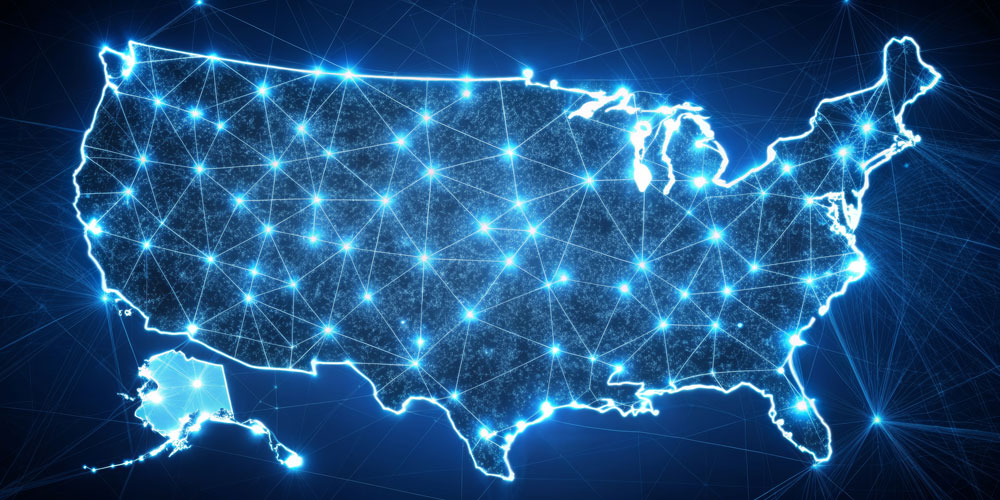
The FirstNet coverage map shows how well this network covers the United States. The service area is extensive, because FirstNet is built to connect agencies everywhere, not just in major metropolitan areas. Currently, the FirstNet network spans over 2.9 million square miles nationwide, including territories and rural regions that historically lacked reliable cell service.
To deliver coverage in affected areas where wireless broadband systems are down, FirstNet can deploy portable network assets to restore service fast. These assets include SatCOLTs (Satellite Cell on Light Trucks) or specialized drones.
How to Check FirstNet Coverage for Your Agency
Clearly, FirstNet is an effective wireless broadband solution for first responders. Here is how to make sure it will work well for your agency in particular.
Using the FirstNet Coverage Map
The fastest way to ensure that FirstNet is your agency’s best option is by checking the official FirstNet coverage map. It allows users to verify if their jurisdiction is covered. The map also lets users look at the types of coverage provided by FirstNet, such as 4G/LTE and 5G.
Requesting an Agency Coverage Assessment
The FirstNet map cannot account for local landmarks or heavy building materials like the concrete walls of a police station that might affect coverage. This is why FirstNet offers formal coverage assessments to prospective member agencies. These assessments can include localized drive tests and indoor signal strength tests at critical facilities, to ensure that FirstNet will meet your needs.
Is FirstNet the Right Fit for Your Public Safety Agency?
Selecting a wireless broadband provider is a critical, long-term operational decision for any public safety agency. This is why FirstNet provides so many tools to help police, fire, and EMS agencies make the best choices for themselves.
Contact FirstNet to learn more.
Frequently Asked Questions
What is FirstNet coverage and how does it work for first responders?
FirstNet is a secure, nationwide broadband network built specifically for public safety agencies. It provides them with priority service and the widest coverage in the United States.
How is FirstNet cell coverage different from a regular cell phone plan?
Unlike standard commercial cell phone plans where all users share the same bandwidth, FirstNet provides “always-on” priority and preemption service for first responders on Band 14. This means their voice, video, and data calls always come first, to the exclusion of non-first responder users if necessary.
Which public safety agencies qualify for FirstNet?
FirstNet access is reserved for public safety agencies. “Primary” users include police, fire, EMS, emergency management, and 911 dispatch centers. There is also an “Extended Primary” tier for organizations that support first responders, such as utility companies, hospitals, and public works departments.


Be the first to comment on "Understanding FirstNet Coverage Areas for Public Safety Agencies"